
The pandemic has reinforced deep inequalities in our communities, and the most vulnerable are paying the highest price of it. Wedged between reduced family income and the need for adequate Covid safety protocols, the impoverished communities find themselves trapped in this challenging situation.
Jharkhand is one of India’s most economically backward states, and our journey to spread Covid awareness and covid essentials distribution in rural India took us to Giridih, a small town in Jharkhand. And, what we came across is the challenge that many impoverished communities face.
 NankiMausmat; Azadnagar Basti
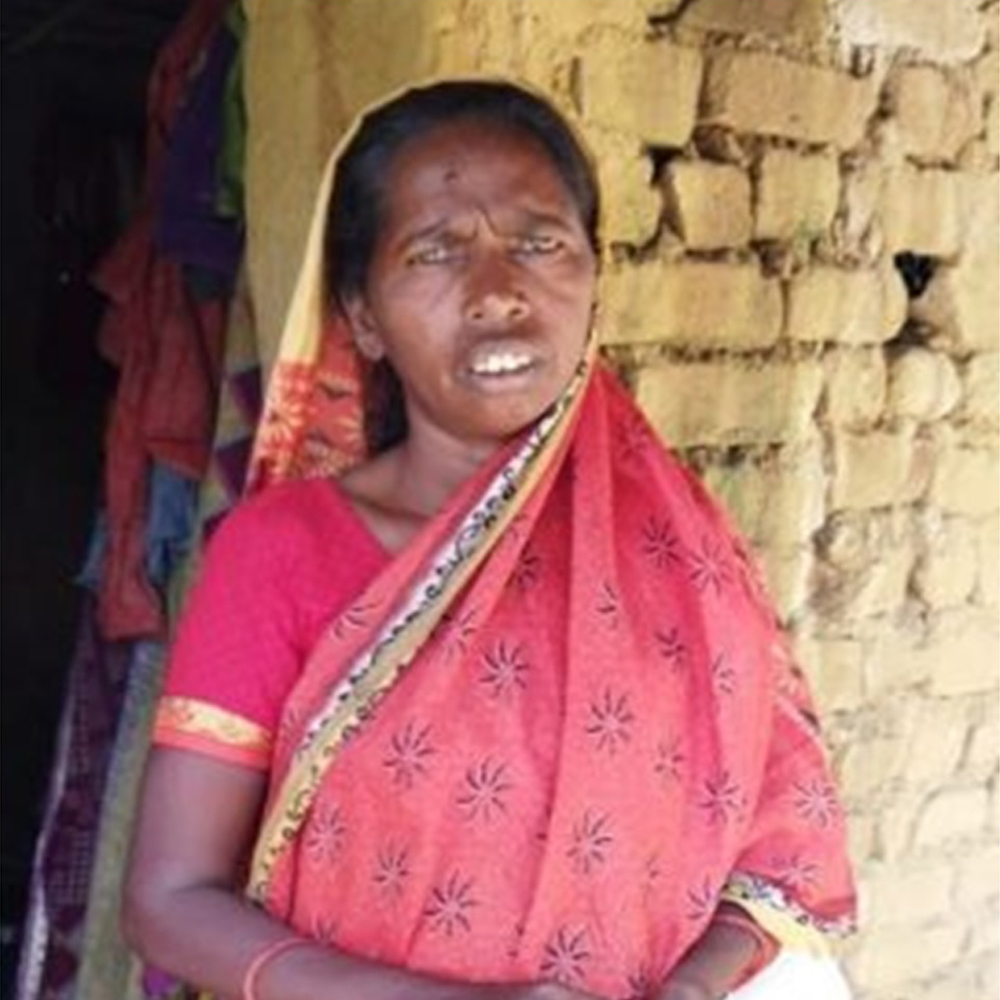
We met NankiMausmat, a 46 years old widow resident from Azadnagar Basti, Giridih. She has four sons. Two of them have left her and live separately. She lives with her other two sons. Things were already challenging before Covid for their family, and with Covid, the challenges in her family have increased exponentially. Her elder son works in a local wedding orchestra in a nearby town, and the younger son lost his job due to COVID. With the wedding and celebrations taking a hit in Covid, the family’s only income has reduced considerably.
The family earns INR 1000-1500 (USD 15-20) per month. With no additional source of income due to lockdown, they find it challenging to have two square meals daily. Purchasing masks and sanitisers are beyond their budget. The fear of goinghungry is scarier for them than Covid.
Previously, they could earn something as a daily wage labourer and could arrange food for themselves, but with Covid fear lurking around, they do not know how they will even feed themselves in the coming months. With the second wave of the pandemic, she was afraid to send her younger son out to look for work. And, with so many deaths happening in the second wave, she did not want to lose her son.
Covid appropriate measures that our team explained met with looks of despair from Nanki as she thought of how they can afford it. She was overjoyed when we gifted her a pack of masks and sanitisers for her and her two sons. Armed with a mask and sanitiser, her younger son can now go out and add to their income as a daily wage labourer.
Across Nanki’s village, we met more families in similarly precarious situations. The story would be a bit different, but the challenge would be the same. Poverty and illiteracy are bigger challenges than Covid in rural India. It was sad to see that even after a year, the awareness of Covid-19 and support for prevention from it are far from ready in villages.
Our team fromMongia Green Foundation is going across villages in the most impoverished communities to spread awareness about Covid. We are arming rural India with Covid preventive kits. You may think that there are so many like Nanki in our villages, and whether we can make a difference, we are sure that it made a difference to NankiMausmat’s life.
Pleasesupport us in our drive to empower rural India in the battle against Covid. Your donation will make a huge difference to each family you support.
NankiMausmat; Azadnagar Basti
We met NankiMausmat, a 46 years old widow resident from Azadnagar Basti, Giridih. She has four sons. Two of them have left her and live separately. She lives with her other two sons. Things were already challenging before Covid for their family, and with Covid, the challenges in her family have increased exponentially. Her elder son works in a local wedding orchestra in a nearby town, and the younger son lost his job due to COVID. With the wedding and celebrations taking a hit in Covid, the family’s only income has reduced considerably.
The family earns INR 1000-1500 (USD 15-20) per month. With no additional source of income due to lockdown, they find it challenging to have two square meals daily. Purchasing masks and sanitisers are beyond their budget. The fear of goinghungry is scarier for them than Covid.
Previously, they could earn something as a daily wage labourer and could arrange food for themselves, but with Covid fear lurking around, they do not know how they will even feed themselves in the coming months. With the second wave of the pandemic, she was afraid to send her younger son out to look for work. And, with so many deaths happening in the second wave, she did not want to lose her son.
Covid appropriate measures that our team explained met with looks of despair from Nanki as she thought of how they can afford it. She was overjoyed when we gifted her a pack of masks and sanitisers for her and her two sons. Armed with a mask and sanitiser, her younger son can now go out and add to their income as a daily wage labourer.
Across Nanki’s village, we met more families in similarly precarious situations. The story would be a bit different, but the challenge would be the same. Poverty and illiteracy are bigger challenges than Covid in rural India. It was sad to see that even after a year, the awareness of Covid-19 and support for prevention from it are far from ready in villages.
Our team fromMongia Green Foundation is going across villages in the most impoverished communities to spread awareness about Covid. We are arming rural India with Covid preventive kits. You may think that there are so many like Nanki in our villages, and whether we can make a difference, we are sure that it made a difference to NankiMausmat’s life.
Pleasesupport us in our drive to empower rural India in the battle against Covid. Your donation will make a huge difference to each family you support.
NankiMausmat; Azadnagar Basti