
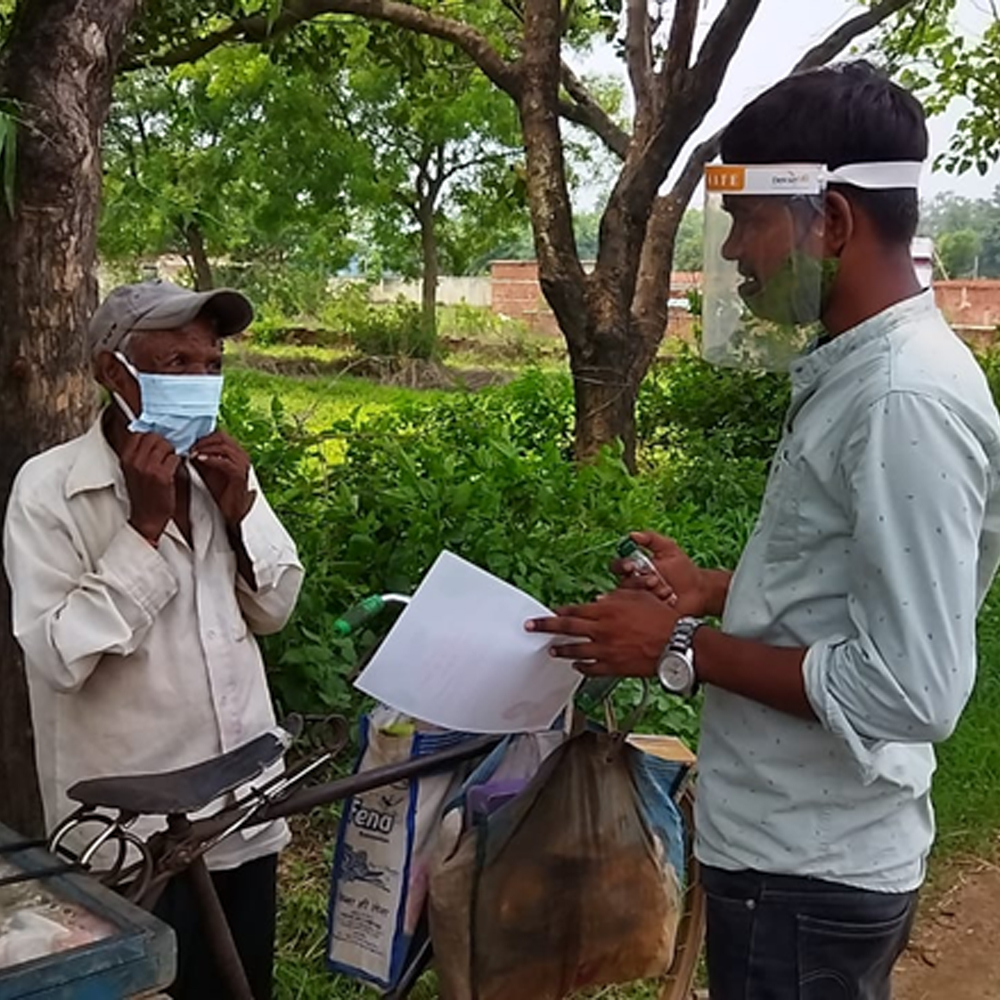
Effect of Covid-19 on Rural India
The Effect of the Covid-19 pandemic has an adverse impact on various sectors of the economy. It has an urban phenomenon predominately. But there is a sudden increase in the spreading of the virus in the peri-urban, rural, and tribal regions. The stabilization of the situation has become a challenge for the country due to the limited resources available.
The crisis has led to a severe loss to the lives and livelihood of the people by taking thousands of people. And hundreds are still in the line to get engulfed by the massive monster(COVID-19). And, at the same time, a drastic nightmare has haunted with the same story concerned.
‘A giant, green, spherical ball of spikes- Running restlessly behind innocent lives and gulping them.’
Indeed, The giant was in the dream!! But is there any difference from reality?
This is precisely the reason behind making me think about the hardship of the countryman and write the article on their sufferings faced due to insufficient rural awareness and medical professionals. So, we need to take immediate steps to save the community from getting deeper into poverty.
 Have you ever thought about their sufferings before?
So,
Who is suffering the most due to COVID-19 in the sector?
The people living in Rural India are suffering the most due to COVID-19. It has led to unusual and additional challenges for the people living there.
Do you agree to the statement?
If you are already aware of their sufferings, then you can check whether our thoughts are similar or not.
And if the answer is ‘No’, then I will explain exactly why I think that the rural people are suffering more than we do(urban people)…
Now, You may think that for the pandemic, ‘I am going through a difficult phase and incurring losses. Then how can I come forward to help them?.’
Yes, I agree…, your thoughts are genuine and natural.
Okay, Take a minute pause…
Now think of the families in the rural area who do not get the basic necessities of life. The people on whom we are dependent in our daily life directly or indirectly (from bringing food to working in factories) are dying out of food and money. These people are being excluded from all the facilities. They can not bear their medical expenses when they are ill and mostly rely on unproven home remedies. This requires collective action and support from all of us to save them.
Still, Don’t you think we should stand beside them? It may not be for them but ourselves…Because without them, we will be nowhere; they are the backbone of the life we are leading.
I will justify further in the extract below why the rural regions are suffering the most and the effect of Covid-19 on Rural India. Then, I will focus on how we can make an impact on their life with the guidelines issued by the ministry of health in India.
Why are Rural Areas mostly affected in COVID-19 (effect of the pandemic)?
The effect of COVID-19 has affected many peri-urban and rural households, livelihood in several ways, including loss of jobs and remittances, higher prices in goods, rationing of food, thereby disrupting health care services and education. Few other important points are discussed below:
Have you ever thought about their sufferings before?
So,
Who is suffering the most due to COVID-19 in the sector?
The people living in Rural India are suffering the most due to COVID-19. It has led to unusual and additional challenges for the people living there.
Do you agree to the statement?
If you are already aware of their sufferings, then you can check whether our thoughts are similar or not.
And if the answer is ‘No’, then I will explain exactly why I think that the rural people are suffering more than we do(urban people)…
Now, You may think that for the pandemic, ‘I am going through a difficult phase and incurring losses. Then how can I come forward to help them?.’
Yes, I agree…, your thoughts are genuine and natural.
Okay, Take a minute pause…
Now think of the families in the rural area who do not get the basic necessities of life. The people on whom we are dependent in our daily life directly or indirectly (from bringing food to working in factories) are dying out of food and money. These people are being excluded from all the facilities. They can not bear their medical expenses when they are ill and mostly rely on unproven home remedies. This requires collective action and support from all of us to save them.
Still, Don’t you think we should stand beside them? It may not be for them but ourselves…Because without them, we will be nowhere; they are the backbone of the life we are leading.
I will justify further in the extract below why the rural regions are suffering the most and the effect of Covid-19 on Rural India. Then, I will focus on how we can make an impact on their life with the guidelines issued by the ministry of health in India.
Why are Rural Areas mostly affected in COVID-19 (effect of the pandemic)?
The effect of COVID-19 has affected many peri-urban and rural households, livelihood in several ways, including loss of jobs and remittances, higher prices in goods, rationing of food, thereby disrupting health care services and education. Few other important points are discussed below:
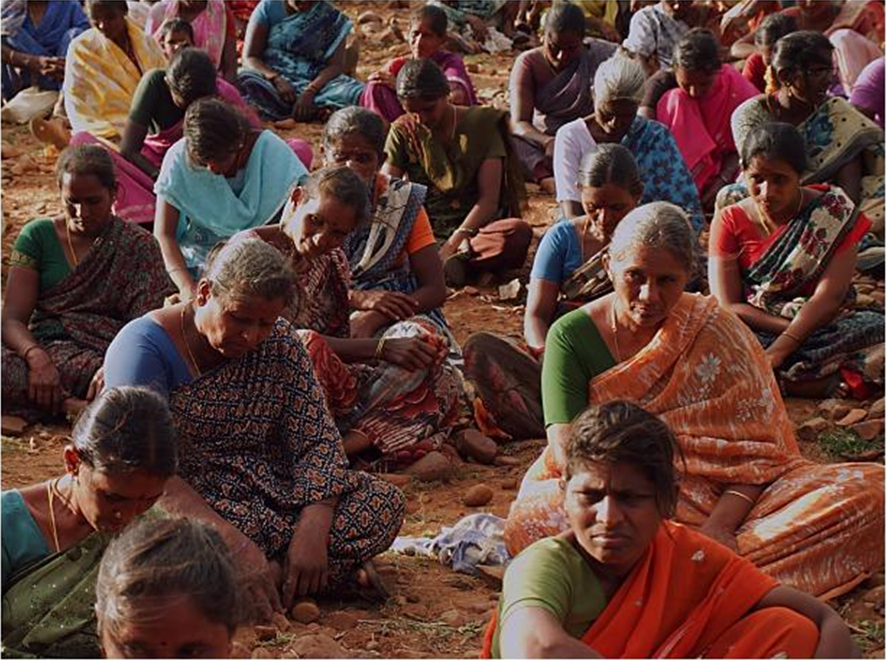 Source: Business Standard
Even a few negligences by the Government also has occurred towards the rural area, which led the pandemic to escalate further. Firstly, The Government should have issued the protocol policies for the Rural Regions in the initial stage of COVID-19. Secondly, the medical services should have developed with more equipment and resources in due time because it is the primary sector that needs significant attention and unique facility. They belong to a backward community where education and medical services are not available as per requirement.
Nevertheless, it is not too late; the ministry of health in India has issued a series of guidelines a few days back. It is strategically made for Rural India. It includes what the people should do when they are affected, how the health care worker should treat the people, etc.
Now, let’s look into the ministry of health guidelines and how we can make an impact in Rural India by following the guide.
Guideline for Rural India- Issued by Ministry of Health and Family Welfare
The Guidelines were released by the Ministry of Health and Family Welfare of India, focusing on monitoring the virus’s threat. And thereby improve the healthcare facilities in the Rural Regions.
The government guideline has trimmed all the healthcare services according to the priority. The Government has concentrated on developing the primary-healthcare infrastructure and strengthening community-based service at all levels by the following steps:
Source: Business Standard
Even a few negligences by the Government also has occurred towards the rural area, which led the pandemic to escalate further. Firstly, The Government should have issued the protocol policies for the Rural Regions in the initial stage of COVID-19. Secondly, the medical services should have developed with more equipment and resources in due time because it is the primary sector that needs significant attention and unique facility. They belong to a backward community where education and medical services are not available as per requirement.
Nevertheless, it is not too late; the ministry of health in India has issued a series of guidelines a few days back. It is strategically made for Rural India. It includes what the people should do when they are affected, how the health care worker should treat the people, etc.
Now, let’s look into the ministry of health guidelines and how we can make an impact in Rural India by following the guide.
Guideline for Rural India- Issued by Ministry of Health and Family Welfare
The Guidelines were released by the Ministry of Health and Family Welfare of India, focusing on monitoring the virus’s threat. And thereby improve the healthcare facilities in the Rural Regions.
The government guideline has trimmed all the healthcare services according to the priority. The Government has concentrated on developing the primary-healthcare infrastructure and strengthening community-based service at all levels by the following steps:
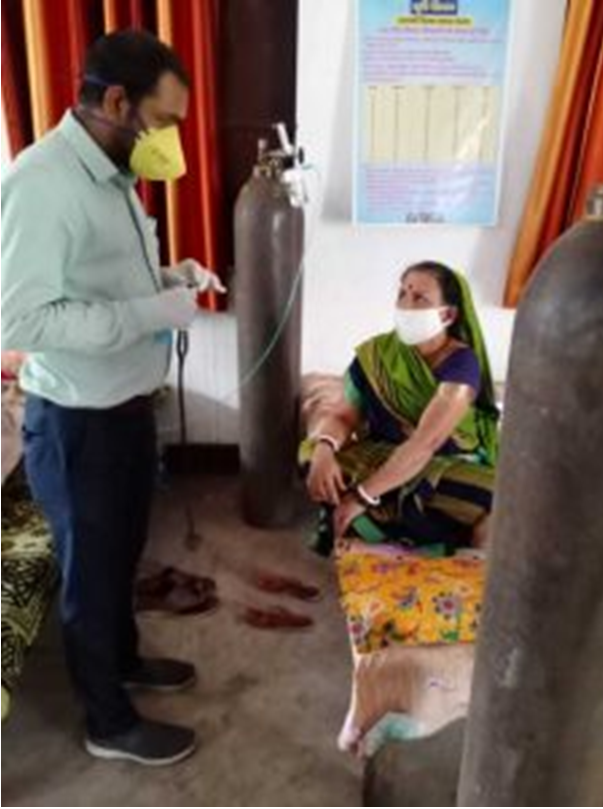 The village community officials must provide all the services mentioned in the guideline to the households to control the infection.
It’s right that government health officials have the responsibility to supervise most of the standard rules. But what is our contribution towards the sufferings of the underprivileged society?
Yes, we as individuals can make an impact together by supporting organizations- who have taken the initiative to serve the rural affected areas. The contribution together will make a faster effect on society. The Government alone can not deliver adequate services to the villages. As a result, they will reach out to fewer households and limited people will get benefited.
Non-Government Organization Contribution towards COVID-19 in Rural Region.
The village community officials must provide all the services mentioned in the guideline to the households to control the infection.
It’s right that government health officials have the responsibility to supervise most of the standard rules. But what is our contribution towards the sufferings of the underprivileged society?
Yes, we as individuals can make an impact together by supporting organizations- who have taken the initiative to serve the rural affected areas. The contribution together will make a faster effect on society. The Government alone can not deliver adequate services to the villages. As a result, they will reach out to fewer households and limited people will get benefited.
Non-Government Organization Contribution towards COVID-19 in Rural Region.
 We all should remember, India has a weak health care infrastructure and fewer medical facilities for rural, peri-urban and tribal regions. The Government along with Non-Government Organisations has to reach out to the daily wage earners and corona-affected families for larger changes. The service provided by Not for profit organizations includes:
Have you ever thought about their sufferings before?
So,
Who is suffering the most due to COVID-19 in the sector?
The people living in Rural India are suffering the most due to COVID-19. It has led to unusual and additional challenges for the people living there.
Do you agree to the statement?
If you are already aware of their sufferings, then you can check whether our thoughts are similar or not.
And if the answer is ‘No’, then I will explain exactly why I think that the rural people are suffering more than we do(urban people)…
Now, You may think that for the pandemic, ‘I am going through a difficult phase and incurring losses. Then how can I come forward to help them?.’
Yes, I agree…, your thoughts are genuine and natural.
Okay, Take a minute pause…
Now think of the families in the rural area who do not get the basic necessities of life. The people on whom we are dependent in our daily life directly or indirectly (from bringing food to working in factories) are dying out of food and money. These people are being excluded from all the facilities. They can not bear their medical expenses when they are ill and mostly rely on unproven home remedies. This requires collective action and support from all of us to save them.
Still, Don’t you think we should stand beside them? It may not be for them but ourselves…Because without them, we will be nowhere; they are the backbone of the life we are leading.
I will justify further in the extract below why the rural regions are suffering the most and the effect of Covid-19 on Rural India. Then, I will focus on how we can make an impact on their life with the guidelines issued by the ministry of health in India.
Why are Rural Areas mostly affected in COVID-19 (effect of the pandemic)?
The effect of COVID-19 has affected many peri-urban and rural households, livelihood in several ways, including loss of jobs and remittances, higher prices in goods, rationing of food, thereby disrupting health care services and education. Few other important points are discussed below:
- Increased population and fewer facilities available.
- Lack of Awareness.
- High Dependency on public services.
- The decline in food consumption.
Source: Business Standard
Even a few negligences by the Government also has occurred towards the rural area, which led the pandemic to escalate further. Firstly, The Government should have issued the protocol policies for the Rural Regions in the initial stage of COVID-19. Secondly, the medical services should have developed with more equipment and resources in due time because it is the primary sector that needs significant attention and unique facility. They belong to a backward community where education and medical services are not available as per requirement.
Nevertheless, it is not too late; the ministry of health in India has issued a series of guidelines a few days back. It is strategically made for Rural India. It includes what the people should do when they are affected, how the health care worker should treat the people, etc.
Now, let’s look into the ministry of health guidelines and how we can make an impact in Rural India by following the guide.
Guideline for Rural India- Issued by Ministry of Health and Family Welfare
The Guidelines were released by the Ministry of Health and Family Welfare of India, focusing on monitoring the virus’s threat. And thereby improve the healthcare facilities in the Rural Regions.
The government guideline has trimmed all the healthcare services according to the priority. The Government has concentrated on developing the primary-healthcare infrastructure and strengthening community-based service at all levels by the following steps:
- Active Surveillance.
- Rapid Detection.
- Counseling.
- Monitoring of Active Cases.
- The caregiver should actively keep monitoring the COVID patient’s health. In case of severe symptom develops, immediate attention is provided. These symptoms include- i. Difficulty in breathing. ii. Dip in oxygen saturation (SpO2 < 94% on room air). iii. Persistent pain/pressure in the chest. iv. Mental confusion or inability to arouse.
- Monitoring of oxygen saturation is crucial for the patients. Therefore, the public community center should have an adequate number of pulse oximeters and thermometers. This equipment is given on loans to the Corona affected households and will sanitize it after they return.
- The frontline workers, volunteers, and teachers, by visiting the households, should take follow-ups for patients under homecare (isolation/ quarantine). They must guide them regarding infection prevention practices (like the use of medical masks and other appropriate precautions) as per the ministry of health in India.
- All affected rural households must get the home isolation kits. The items included are- i.paracetamol 500 mg, ii. ivermectin tablet, iii. cough syrup, iv. multivitamins and v. booklet. The booklet consists of- i. the precaution, ii. medication, iii. monitoring the condition of the patient during the home isolation, iv. emergency contact details in case of any significant symptoms or deterioration of health condition, and v. discharge criteria.
- Covid Management Centers.
- Covid Care Center (primary health centers or community health centers) to manage mild cases or asymptomatic cases.
- >Dedicated COVID Health Centre (sub-district hospitals) to manage moderate cases,
- Dedicated Covid Hospital (district hospitals or private hospitals) to manage severe cases with the ambulance service for the rapid transport of patients.
The village community officials must provide all the services mentioned in the guideline to the households to control the infection.
It’s right that government health officials have the responsibility to supervise most of the standard rules. But what is our contribution towards the sufferings of the underprivileged society?
Yes, we as individuals can make an impact together by supporting organizations- who have taken the initiative to serve the rural affected areas. The contribution together will make a faster effect on society. The Government alone can not deliver adequate services to the villages. As a result, they will reach out to fewer households and limited people will get benefited.
Non-Government Organization Contribution towards COVID-19 in Rural Region.
We all should remember, India has a weak health care infrastructure and fewer medical facilities for rural, peri-urban and tribal regions. The Government along with Non-Government Organisations has to reach out to the daily wage earners and corona-affected families for larger changes. The service provided by Not for profit organizations includes:
- Awareness.
- Providing medical kits.
- Covid Care Center.